
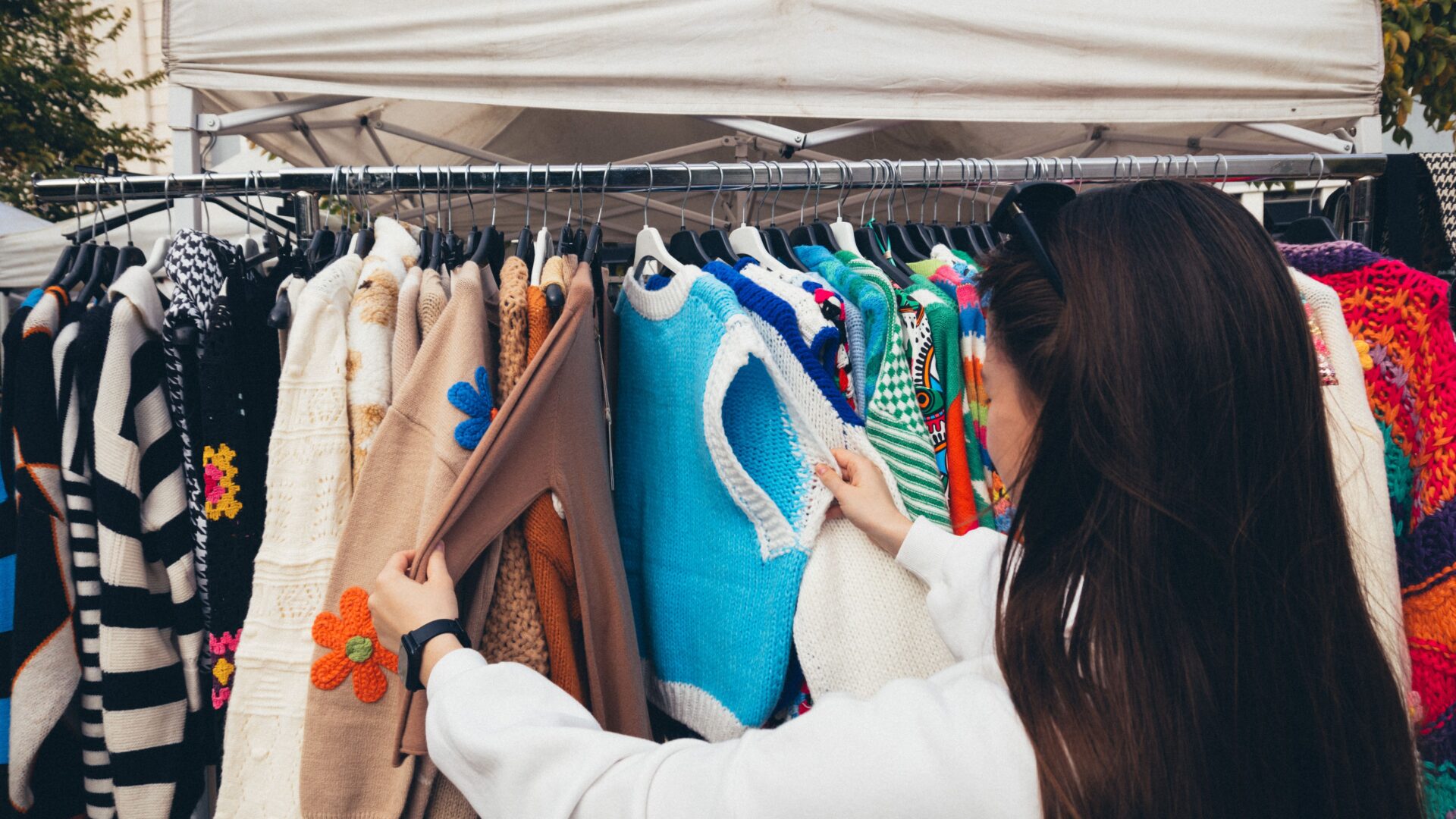
Over the past few years, many of us have taken to selling our pre-loved clothes through online platforms and, we are not alone, today, there are at least 17 million UK users on Vinted.
Some people have taken this a step further and are making a pretty good living from selling vintage clothes online. These people are typically resellers – rather like traditional antique dealers – trawling online sites, charity shops and car boot sales for pieces they feel they can resell at a higher price. In fact, social media platforms are awash with people sharing their experiences of finding bargains at car boot sales or a high-end design piece on a charity shop rail.
Being a reseller is likely to start as a side hustle – something we’ve written about before at Lewis & Co. In lockdown, we saw a rise in people having the time to turn their hobbies into small businesses. A few years on, there’s also been a rise in influencers who are making a living online – particularly as some of the largest consumer-facing companies have shifted a large percentage of their marketing budgets to influencers and away from traditional media advertising.
This summer, HMRC has been busy reminding people of their potential tax obligations when it comes to side hustles through its Help for Hustles campaign and it’s been using wedding season as its theme. This is an industry that is increasingly using the services of individuals offering anything from wedding stationery or bunting to making the wedding cake.
We often have people asking us when they should declare their earnings to HMRC and there is a simple answer. As a guide, you need to tell HMRC if you earn more than £1,000 during a 12-month period. The £1,000 threshold covers all income combined – so someone earning £600 from wedding photography and £500 from social media posts would need to register as their total exceeds £1,000.
Not all extra income is taxable. Selling unwanted personal belongings – such as clearing out a wardrobe – does not usually need to be reported to HMRC. But regularly selling goods for profit, or providing a service for payment, is likely to count as trading and may need to be declared.
Here at Lewis & Co, we support quite a few businesses that have started as a side hustle or a hobby and have grown into a full-time venture. For instance, we work with both vintage clothing businesses and vinyl record dealers who sell at shows and fairs, as well as online.
If you want any advice on turning your small venture into a full-time business, give us a call on: 01892 513515.